
Sustainability
Responsibility measured
in litres and kilos.
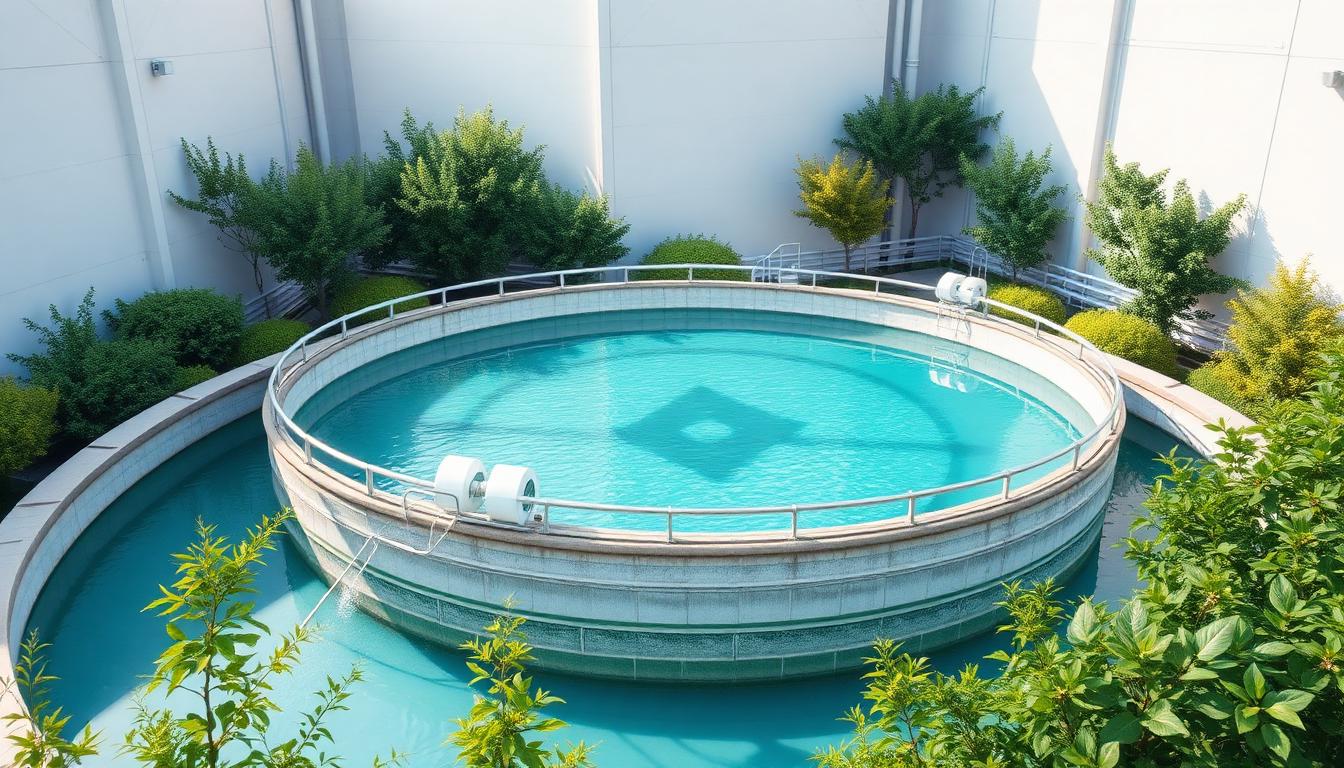
Tiruppur learned the hard way that textile growth and water care must move together. We run our printing effluent through our own treatment plant and keep waste accounted for.
Commitments
Six practices we hold to
01
Effluent treatment
Our printing division operates its own Effluent Treatment Plant. Wash water from screen cleaning is treated on site rather than discharged, in line with Tiruppur's zero-discharge culture.
02
Water discipline
Treated water is recovered and reused for screen washing and floor cleaning, reducing fresh water draw for the printing operation.
03
Fabric waste reduction
Marker planning targets maximum fabric utilisation. Cut waste is segregated and sold to recyclers instead of going to landfill.
04
Responsible workplace
No child labour, documented wages, defined working hours and safety equipment on the printing and curing floors.
05
Safer chemistry
Water-based and discharge ink systems offered as alternatives to heavy plastisol builds where the buyer's standard allows.
06
Energy awareness
Curing ovens and compressors are scheduled around production batches to avoid idle running and unnecessary load.
Water
How wash water moves through our ETP
01
Collection
Screen wash and floor water is channelled to a collection tank instead of the drain.
02
Treatment
Screening, settling and filtration inside our own ETP separates ink solids from water.
03
Recovery
Clarified water is returned to screen washing and cleaning, cutting fresh water intake.
04
Residue handling
Collected sludge and ink residue is handed to approved disposal channels with records kept.
Where we stand
Our current position
- Printing wash water treated on site
- 100%
- Treated water reused for washing & cleaning
- Majority
- Cut fabric waste diverted to recyclers
- Segregated
- Child or forced labour
- Zero
- Wage & attendance records
- Documented
- Water-based / discharge ink option
- Available
We do not publish targets we cannot verify. What is listed here is what the unit actually practises today — on-site effluent treatment, water recovery for washing, segregated fabric waste and documented employment records.
Where a buyer runs a specific compliance programme, we adapt to it: restricted substance lists, approved ink suppliers, nominated laundries and prescribed audit protocols are all workable within our process.
Improvements are made where they hold: better marker planning to lower cut waste, scheduling curing ovens in batches to reduce idle energy, and shifting to water-based inks whenever the print effect allows.
People
A workplace buyers can inspect
Safety on the floor
Gloves, masks and eye protection at the print and curing stations, guarded machines on the stitching lines, marked walkways and accessible extinguishers.
Fair employment
Age verification at hiring, wages paid through documented cycles, overtime by consent and no withholding of personal documents.
Open to audit
Buyer and third-party social and environmental audits are welcomed. Records, registers and ETP logs are kept ready for inspection.
Compliance
Share your compliance checklist — we will answer it line by line.
Social audit questionnaires, chemical declarations and environmental documentation are handled by our merchandising team before sampling begins, so nothing is discovered late in a programme.